For many people, signing up for a language class feels like the obvious first step toward becoming fluent. Traditional language classes can be incredibly helpful. They teach essential grammar rules, introduce new vocabulary, and provide structure for learning. But for many learners, classroom lessons alone are not enough to build real confidence in speaking a new language.
One of the biggest challenges with traditional language learning is that it often focuses more on theory than practice. Students may spend hours memorizing vocabulary lists, completing grammar exercises, or reading from textbooks, yet still struggle when it comes to having an actual conversation. The truth is simple: practicing makes perfect.
Learning grammar is important because it gives learners the tools to form sentences correctly. Expanding vocabulary also helps learners express themselves more clearly. However, language is a skill and like any skill, it improves through regular use.
Think about learning to swim or ride a bicycle. You can study techniques and instructions for hours, but eventually, you have to get into the water or get on the bike. Speaking a language works the same way. Confidence grows when learners practice speaking in real-life situations, make mistakes, and continue improving through experience.
Traditional classrooms can sometimes make speaking feel intimidating. Some learners fear making mistakes in front of others or feel pressured to speak perfectly before they are ready. As a result, they stay quiet and miss valuable opportunities to practice.
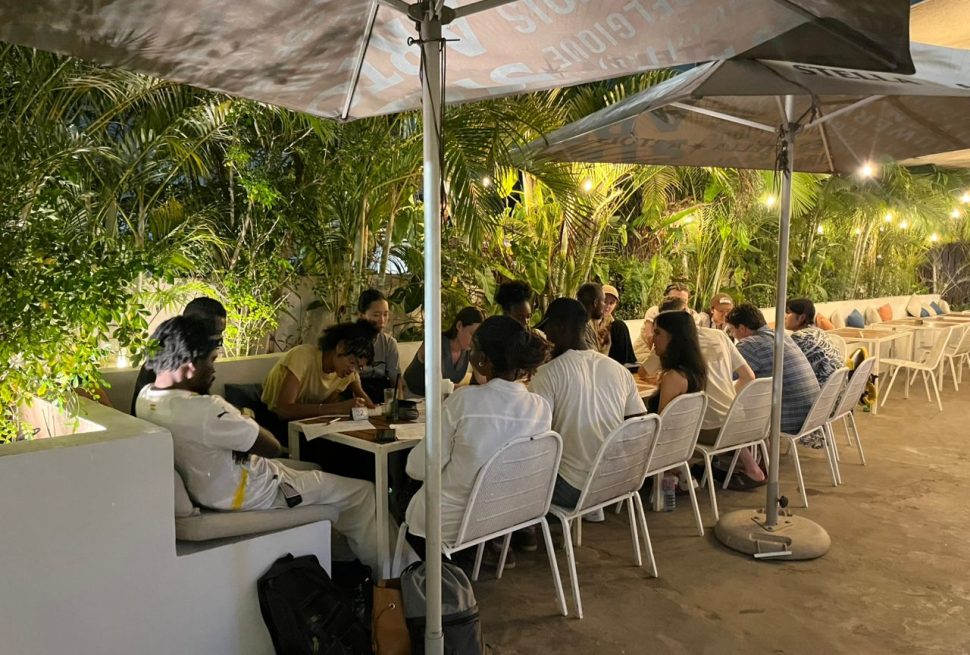
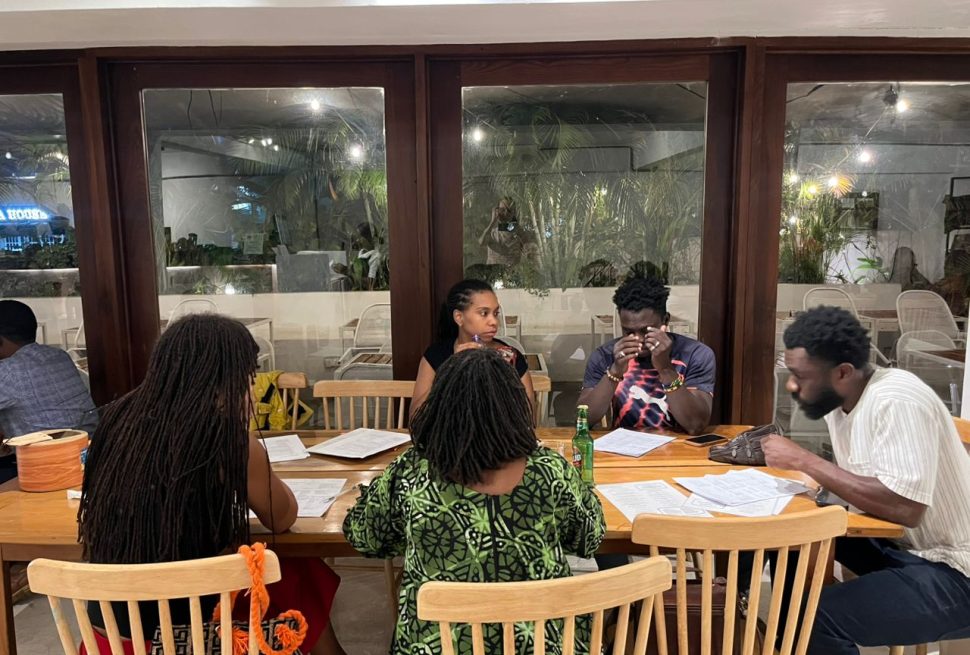
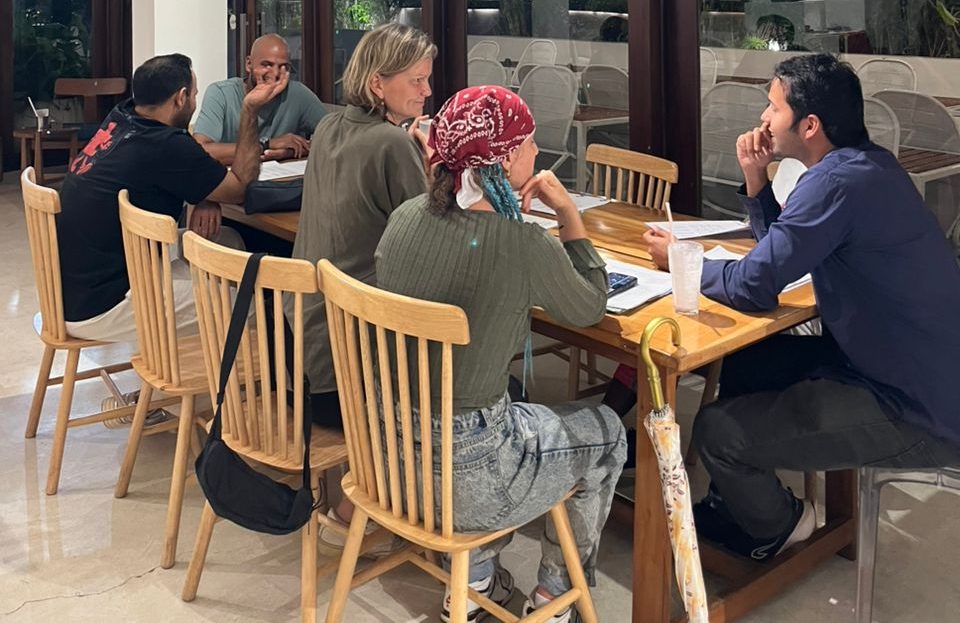
That’s why conversation-based learning environments are becoming more popular. Informal speaking groups, language cafés, and interactive communities allow learners to practice naturally without the pressure of exams or perfect grammar. These environments help people become more comfortable expressing themselves, even if they are still learning.
At Language Café Accra, we believe language learning should go beyond textbooks (literally: we also take you on tours!). While grammar and vocabulary matter, real progress happens through conversation, interaction, and consistent practice. The more learners speak, the more confident they become and confidence is often the key to fluency. You do not need to speak perfectly to start speaking. You simply need to start.
You’re always welcome at your weekly Language Cafés.